You may believe you’re talking to someone real, someone who cares—but what if the face and voice you trust are generated by AI? In an age of realistic deepfakes and voice-cloning, romance scams have evolved. If someone you met online is suddenly asking for money, showing video calls that feel authentic, and promising connection, you might be facing more than just betrayal. This post will explain how these modern romance scams using deepfakes and AI work, how victims get trapped emotionally and financially, and exactly what you can do to protect yourself or start recovery.
What These AI-Powered Romance Scams Look Like (Signs & Red Flags)
Here are common warning signs that a “romantic” online connection might be a scam powered by deepfakes or AI technology:
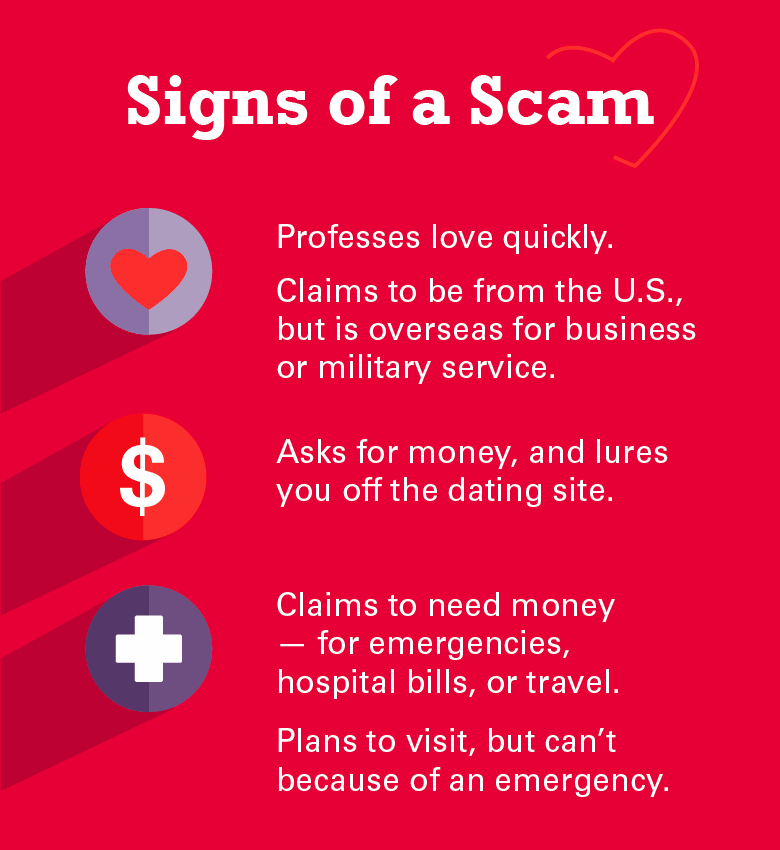
- Polished appearances + instant connection: The persona may use highly professional photos or video calls, seem overly perfect, and express strong emotions fast.
- They push to move off the dating app: The scammer often wants you to chat on WhatsApp, Telegram or private channels — where the dating-app safeguards don’t apply.
- Deepfake video calls or cloned voice messages: Recent research found that in India, 43% of respondents had fallen victim to an AI voice scam and 69% said they could not distinguish AI from a real voice. Firstpost
- Requests for money or gifts: After building trust, the person asks for financial help — e.g., “travel costs”, “emergency surgery”, “investment opportunity” — often urgent and emotionally framed.
- Inconsistent details or “too good to be true” stories: They might show luxury lifestyle, big plans (house, travel) but avoid meeting in person or video live with you in real time.
- Pressure + secrecy: “Don’t tell your friends/family”, “This happens just for us”, “Only you can help”.
If you recognise several of these, it’s wise to assume risk and pause further engagement.
How the Scam Works (Step-by-Step Using Deepfake/AI)
Understanding how the scam unfolds helps you see fault lines and intervene early.
- Initial contact & profile setup
A scammer (or network) creates an online profile using stolen or AI-generated photos/videos. They may use voice-cloning or even live deepfake video calls to appear real. - Building emotional connection
They engage you in conversation, often on a dating site or social media, then move to private chat (WhatsApp, Telegram). They may send several voice or video messages to deepen trust. - Using AI authenticity tools
Tools allow them to clone voices (sometimes using just seconds of audio) and simulate video calls. For example, current research shows humans correctly identify deepfake speech only ~73% of the time. arXiv - Creating urgency and request for financial help
Once you are emotionally invested, they claim an emergency (health, legal trouble, business loss) or an “investment opportunity” needing your immediate funds. They may direct you to transfer crypto, bank wire, or gift card. - Extraction and disappearance
After you send funds, they disappear or continue to ask for more money. Because the funds may be in hard-to-trace forms (crypto, offshore transfers), recovery becomes extremely difficult. - Secondary targeting and laundering
Some victims who have already lost money are re-contacted by “recovery specialists” offering help for a fee (another scam). Others may unknowingly become money mules. - Emotional & financial aftermath
Victims face shame, self-blame, loss of savings, broken trust — plus the complex process of trying to report, block further losses and rebuild. For example, a UK victim lost £17,000 after AI-deepfake romance video calls. The Times
Why Victims Get Caught — Emotional, Technological & Social Triggers
Emotional triggers
- Feeling lonely, isolated or seeking connection — romance scams exploit these feelings.
- The perceived authenticity of the connection through video and voice messages makes the relationship feel “real”.
- Shame or fear of revealing the situation may keep victims engaged longer.
Technological & social triggers
- The advance of deep-fakes: AI-tools make these scams much harder to detect. For example: deepfake incidents increased by 257% in 2024. Keepnet Labs
- Many people post voice/video online which can be used to clone them: one report notes 53% of people shared their voice recordings and those were used for voice-clone attacks. European Parliament
- Social-media fuel: Dating apps, social networks and chat channels give a large pool of potential victims. In the UK, one in five single users said they’ve been duped by deepfakes on dating apps. Sumsub
Practical triggers
- Use of payment methods that are hard to reverse: cryptocurrency, gift cards, overseas transfers.
- Flow of funds across borders and through complex chains makes investigation and recovery more difficult.
- The “investment” angle gives a veneer of legitimacy: “We’re going into crypto together”, “Invest now and we’ll travel”.
Immediate Actions if You Suspect You’re in a Deepfake Romance Scam
If you believe you may be embroiled in such a scam, here’s what you should do now:
Checklist: Immediate Steps After Suspecting a Romance Scam
- Stop transferring any more funds or sharing financial/crypto account data.
- Save all evidence: screenshots, chat logs, call/video recordings, transaction receipts, wallet addresses.
- Contact your bank, payment service or crypto exchange — inform them of potential fraud and ask to freeze transactions if possible.
- Report the incident to your country’s cyber-crime unit or online fraud portal. If you’re in India, do this via the local cyber cell.
- Reach out for emotional support: talk with someone you trust or a mental-health professional — this is a traumatic experience.
- Review your devices and accounts: change passwords, enable two-factor authentication (2FA), check for unknown devices or apps.
- Avoid recovery-scam offers: If someone contacts you promising to “get your money back” for a fee, treat them as likely scammers.
- Stay offline intentionally for a short break if you feel overwhelmed — taking a pause helps clarify the picture.
Longer-Term Recovery: Financial, Emotional and Practical Steps
Financial recovery
- Continue to monitor your bank, crypto wallets and exchange accounts for any unauthorized activity.
- Contact any platforms used (dating, chat, crypto) and ask for logs, IP addresses, account closure if necessary.
- If substantial funds are involved, consider consulting a lawyer who specialises in cyber-fraud and asset-recovery.
- Save all correspondence, statements and evidence—you’ll need them for formal reporting and possible legal action.
Emotional recovery
- Acknowledge what happened: being scammed does not mean you are foolish or blame-worthy. Scammers now use advanced tech and psychological tactics.
- Consider counselling or peer-support groups for scam victims; sharing your experience helps reduce isolation and shame.
- Rebuild trust gradually: start by engaging with safe, local relationships or professional networks before jumping into other online connections.
Practical rebuilding
- Educate yourself on online safety, deepfakes and social-engineering tactics.
- Set up a simple personal “security system”: review devices monthly, use unique strong passwords, apply updates, enable 2FA, limit sharing of personal media online.
- Make a small “recovery plan”: focus on what you can control now (securing your finances, improving tech hygiene) rather than only on recovering lost money.
Realistic Expectations: What Recovery Looks Like (and Doesn’t)
What recovery does mean
- You can stop further losses by acting now and securing your accounts.
- You can regain a sense of control and rebuild financially and emotionally.
- You may assist law-enforcement or regulatory bodies, contribute to disrupting scam networks.
- You can learn from the experience to protect yourself and others going forward.
What recovery doesn’t mean
- It does not mean full recovery of lost funds is guaranteed, especially when scams used cryptocurrencies or offshore accounts.
- It does not mean the emotional impact disappears immediately—regaining trust and confidence takes time.
- It does not mean you were at fault—victims of deepfake romance scams are targeted, manipulated and often highly vulnerable.
- It does not mean you should blame yourself or stay silent—reporting helps you and helps protect others.
Time & cost expectations
- Recovery may take months or even longer depending on resources, jurisdictions, lost-fund magnitude and cooperation of platforms.
- Emotional recovery may take weeks to months, depending on personal support networks.
- The cost of inaction is often higher than early intervention: more funds flowing out, more deterioration of trust and mental health.
Prevention Tips: How to Protect Yourself From AI-Driven Romance Scams
Here are practical strategies to reduce your risk in the future:
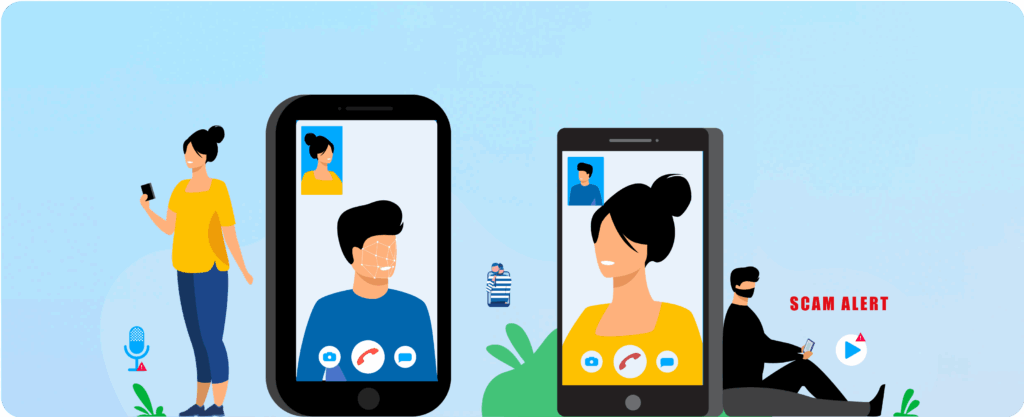
- Keep conversation on the dating app until verified: Avoid moving to WhatsApp or Telegram until you’ve verified the person’s identity (video call with a unique prompt, ask live questions).
- Ask for real-time verification: If they send a video call, ask them to perform a live gesture (“Hold up your favourite book and say your name”)—this makes simple deepfake fakes harder.
- Use reverse-image search: If their profile pictures are too perfect or seem “stock-photo like”, run them through image-search tools to see if they appear elsewhere.
- Never send money, crypto, gift cards or account access to someone you haven’t met in person. Genuine connections don’t ask for this.
- Guard your own media and voice: Avoid publicly posting long voice recordings, personal video with discernible speech patterns—you make it easier for voice-cloning.
- Enable strong security on all your devices: Use unique passwords, enable 2FA apps/hardware where possible, update regularly.
- Talk with someone you trust before committing money: If you’re feeling pressured, pause and ask a friend, family member or advisor.
- Limit personal info leaking online: Scammers use data from social media (photos, videos, audio) to craft convincing deepfakes.
- Stay aware of new technologies: As AI tools become more accessible, awareness is your first defence. Remember: even “someone I trust” might not be who they appear.
Resources & Contacts
Your country’s cyber-crime reporting portal (in India, contact your State Cyber Cell).
Dating platform’s fraud or safety reporting function (report suspicious profile).
Your bank/crypto wallet provider’s fraud team – notify them of potential romance-scam financial transfers.
Financial counsellors, victim-support groups or online forums for people affected by romance scams.
For deeper tech context: resources on deepfake detection and voice-cloning threats – e.g., academic papers on human inability to reliably detect speech deepfakes. arXiv
If you believe you have been targeted by—or are currently in—an online romance connection that is asking for money, take one step today: pause all financial transfers and document everything (messages, calls, video, info). Then contact your bank/payment service and consider filing a report with your local cyber-crime authority. You are not alone—and taking action now can help limit further harm.
Quick Actions Summary
- Stop further money transfers or gifts.
- Save all evidence (screenshots, video, transactions).
- Contact your bank/crypto wallet and report suspected fraud.
- Break off or pause the online relationship until you’re confident.
- Reach out to someone you trust and share what happened—don’t bear this alone.